Persistent grinding during braking is a reason to stop using the vehicle and arrange an inspection. If braking has weakened, the car pulls sharply, or you notice smoke, pull over safely and get help. Waiting for the sound to become louder risks more damage and less dependable stopping.
Worn pads are a familiar cause, but caliper problems, damaged rotors, and trapped debris also need checking. At Team One Suddeth Automotive, we inspect the brake system to explain what is creating the noise and what needs repair. The job should address the cause along with the damaged parts.
Worn Brake Pads and Metal-on-Metal Grinding
Brake pads contain friction material that presses against the rotor to slow the wheel. As that material wears away, the backing plate eventually reaches the rotor. Metal rubbing against metal creates a harsh grinding sound and rapidly scores the surface.
The brake pedal may still feel fairly normal early in that process. The sound itself is enough to arrange a check. Continuing to drive gives the backing plate more time to remove material from the rotor and turn a developing wear problem into a larger repair.
Inspection looks at every pad on the affected axle. An inner pad can be much thinner than the outer one you can see through the wheel. Measuring the full set tells us whether the wear is even and whether another component contributed to it.
Brake Rotors Damaged by Delayed Maintenance
Rotors need a suitable surface and enough thickness to manage braking loads. Deep scoring, heat damage, cracks, or measurements outside the service limits affect whether the rotor can remain in use.
Replacing pads on a badly damaged rotor leaves them working against that surface. The repair plan needs to review both parts together. Where resurfacing is permitted, the remaining thickness and condition guide whether it is practical; other rotors require replacement.
We explain the measurements and damage found. That gives you a clearer reason for the recommendation than the noise alone. Catching wear before prolonged grinding develops preserves more options for the repair.
Sticking Brake Calipers and Uneven Pad Wear
A caliper applies pressure to the pads and allows them to release when braking ends. A sticking piston, seized slide, or related hydraulic problem interferes with that movement. One pad may remain in contact and wear much faster than its partner.
You might notice heat near one wheel, a pull while braking, or a hot smell after an ordinary drive. Avoid touching the wheel or brake parts to check the temperature. They can be hot enough to cause injury.
The repair needs to restore proper movement and release. Depending on the findings, this may include caliper, slide hardware, or hydraulic work, along with damaged pads and rotors. New friction parts will wear prematurely if the dragging condition remains.
Brake Hardware and Other Grinding Causes
A bent shield, lodged stone, or loose hardware can also create scraping or grinding. The timing helps us narrow it down. If the sound is present even with your foot off the brake, we check different things than if it only occurs under pedal pressure.
Mention whether turning changes the sound or whether it began after a pothole, tire service, or brake repair. We inspect the friction surfaces and nearby parts rather than assuming the noise always means the pads are fully worn.
A brief light scrape after wet parking can come from surface rust on iron rotors. Persistent harsh grinding, repeated noise during normal stops, or reduced braking warrants more urgent attention. Describe the pattern and arrange a check.
Brake Symptoms That Need Prompt Attention
Stop safely and seek advice when grinding comes with:
- A noticeable loss of stopping power
- A soft pedal or one that sinks unusually low
- A strong pull while braking
- Smoke or a burning smell near a wheel
- A brake-system warning
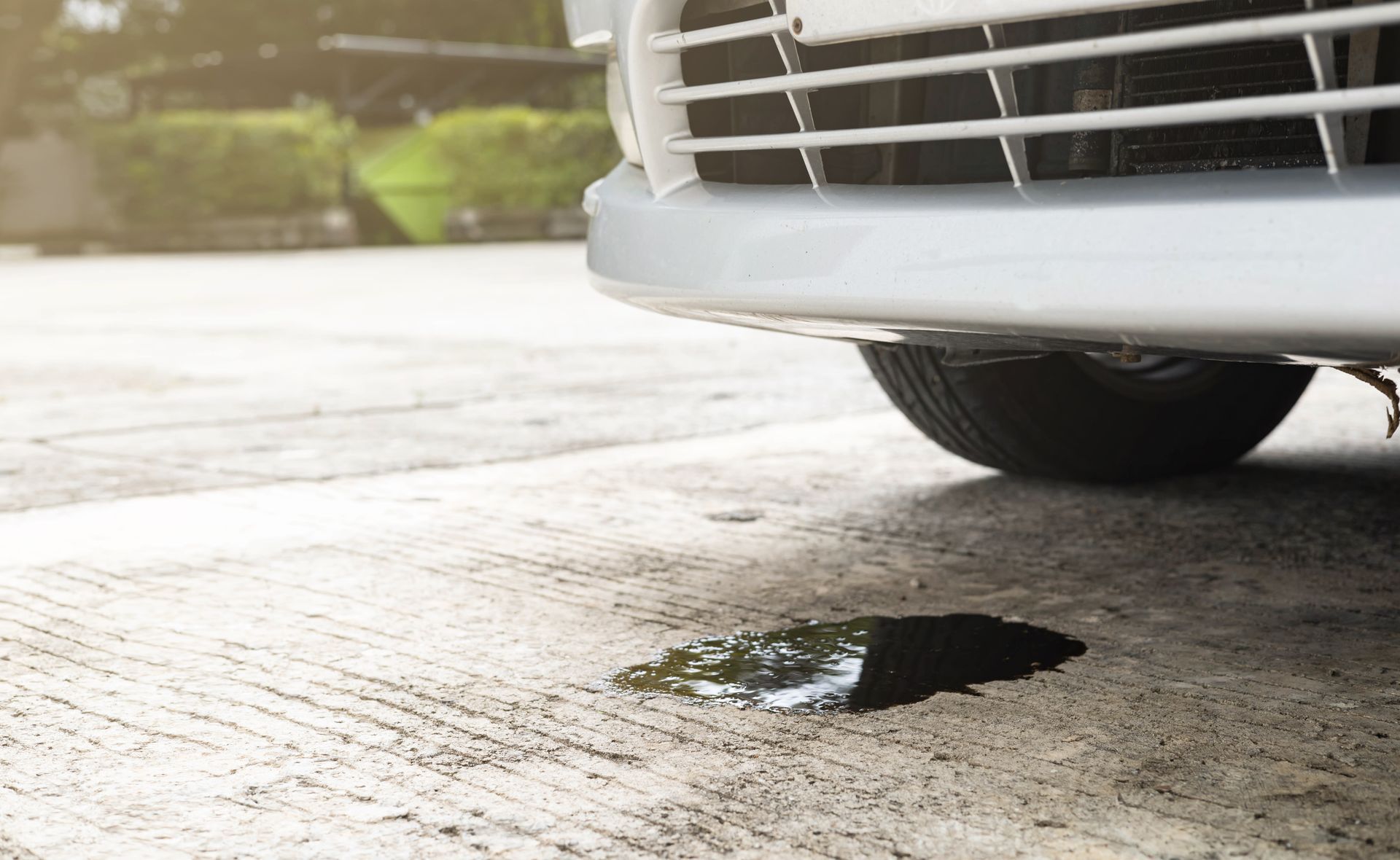
- Visible brake fluid leakage
There is no dependable number of safe miles for a grinding brake. The component condition and hydraulic operation determine the risk. A short trip still includes intersections and unexpected stops, so discuss transport if the brakes aren't reliable.
Routine Brake Maintenance That Prevents Bigger Repairs
Regular inspections track pad thickness and rotor condition before severe wear develops. They also reveal uneven wear, damaged boots, and sticking hardware. Those findings give you time to plan work before a noisy failure forces the decision.
Brake fluid follows the vehicle's maintenance instructions. Its condition supports hydraulic operation, while leaks or a changed pedal need their own inspection. A fluid service doesn't replace worn pads or correct a seized caliper, so each recommendation should match the finding.
Use your normal driving as a reference. If stopping now takes more pedal effort or the car pulls on a route you know, mention the change. Waiting for grinding leaves a useful early warning behind.
Checking Brake Repairs Before Returning to the Road
After repairs, the system needs checking for proper operation, release, and any remaining noise. The final review should connect the completed work with the original complaint and include required installation or settling instructions.
Keep the findings and invoice in your service records. If another noise appears, describe when it happens. That history helps us distinguish a new concern from the original wear and make the next inspection more focused.
Brake Repair at Team One Suddeth Automotive
Team One Suddeth Automotive in Columbia, SC, can inspect grinding brakes and explain the needed repairs to pads, rotors, calipers, and related components. Tell us about pedal changes, pulling, or heat before driving to the appointment.
Contact
Team One Suddeth Automotive
to arrange brake service before continued grinding causes more damage.