
Every time summer rolls around, and the sun starts baking the asphalt, drivers face the exact same dilemma at the pump. You want to stay cool, but you also want to keep your hard-earned money in your wallet. This brings us to one of the most debated automotive questions on the planet: is it better to cruise with the windows open or just blast the air conditioning?
You might remember when the popular television show MythBusters put this exact scenario to the test on their track. It sparked a massive conversation that we still hear customers debating in our waiting room today. As professionals who look under the hood of vehicles every single day, we want to break down the actual science of fuel economy, aerodynamics, and engine load so you can make the smartest choice for your drive.
Understanding the Two Enemies of Fuel Economy
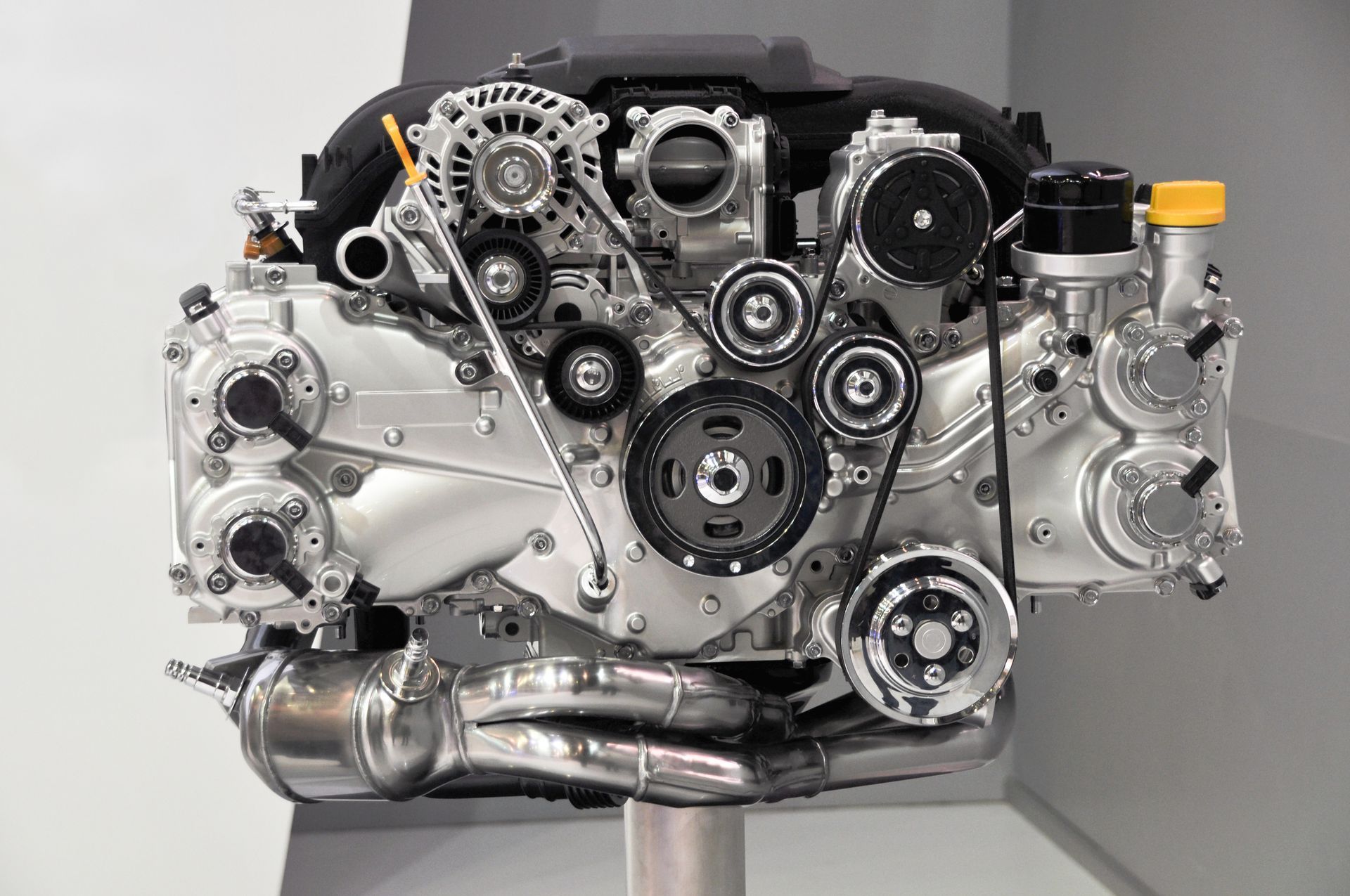
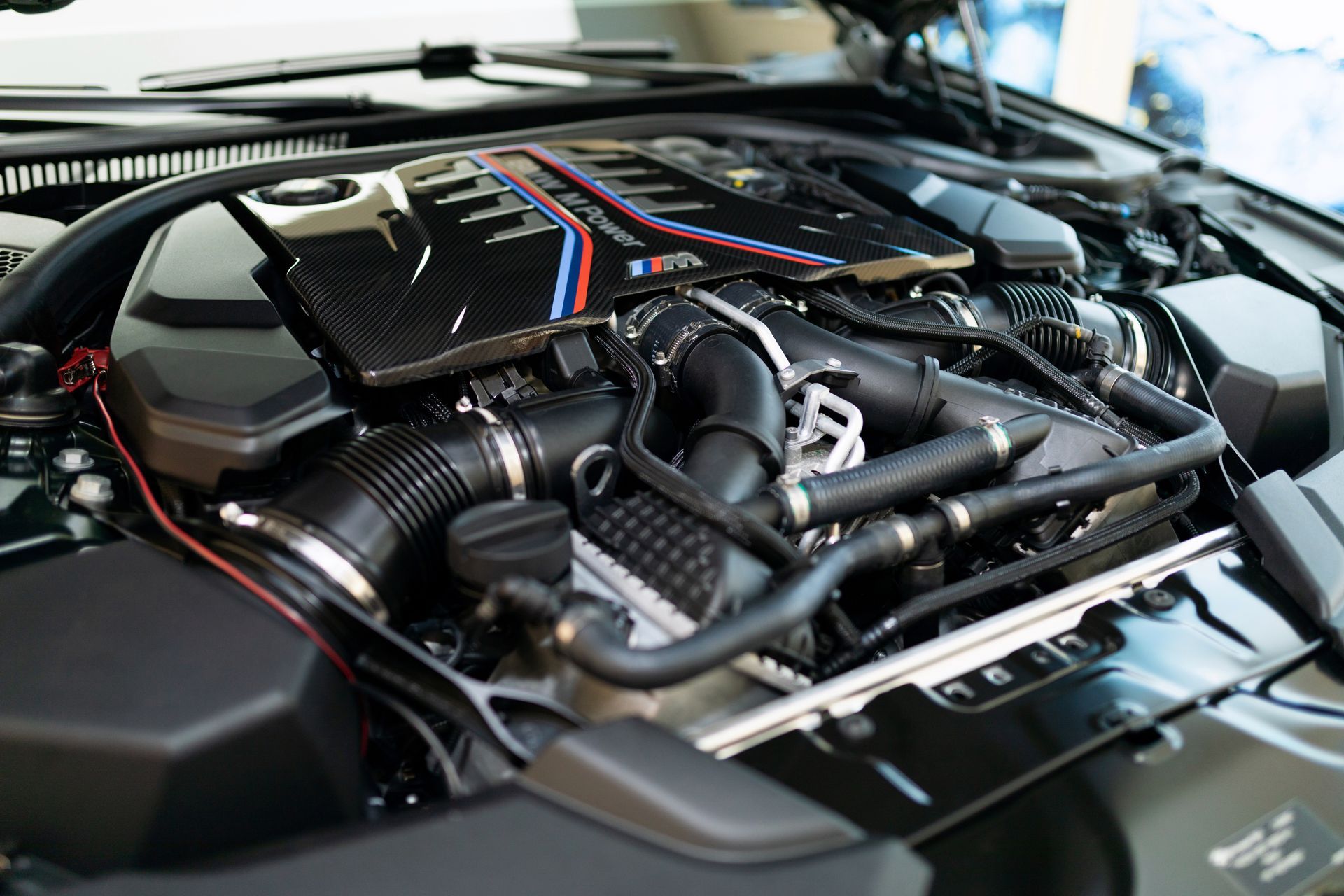
To get to the bottom of this debate, we have to look at what actually causes your car to consume extra fuel in hot weather. Your engine is essentially a workhorse, and when you ask it to perform extra tasks, it needs more energy to get the job done.
The first factor is the air conditioning system. Your air conditioner relies on a component called a compressor. When you switch the cooling system on, the compressor puts a physical load on your engine, forcing it to work harder and burn more gasoline.
The second factor is aerodynamic drag, which is a fancy term for wind resistance. Modern vehicles are designed to be incredibly sleek, allowing them to slice through the air with minimal effort. When you roll the windows down, you completely alter that design. The passing air rushes inside the cabin, creating a parachute effect that pulls your vehicle backward and forces the engine to fight harder just to maintain speed.
What the Research Actually Shows
The MythBusters team ran multiple tests to settle this issue, and their findings highlighted a critical element that most drivers overlook. The answer is not a simple choice between one or the other because everything changes based on how fast you are traveling.
The tests highlighted a specific transition point where one method becomes vastly superior to the other.
- City driving under forty miles per hour: Rolling down the windows is the definitive winner. At lower speeds, wind resistance is incredibly low, meaning the parachute effect is barely noticeable. Turning off the cooling system saves your engine from that heavy compressor load, giving you much better gas mileage around town.
- Highway driving above fifty-five miles per hour: The tables turn completely. At high speeds, aerodynamic drag increases exponentially. The wind resistance created by open windows puts a massive strain on your vehicle, often dropping your fuel efficiency by up to twenty percent. At this point, keeping the windows up and running the climate control is far more efficient.
Smart Habits to Save Extra Gas
Now that you know the speed limits for each method, you can use a few daily driving strategies to maximize your efficiency even further during the hottest months of the year.
- Park in the shade or use a reflective windshield sunshade to prevent heat buildup while your vehicle is sitting.
- Drive with the windows open for the first minute of your trip to push the trapped hot air out before turning on the cooling system.
- Use the interior air recirculation button so your climate control does not have to constantly cool down fresh, scorching air from outside.
Let Us Keep Your Ride Efficient
While choosing between windows and climate control can save you a few dollars at the pump, nothing impacts your fuel economy quite like proper vehicle maintenance. A clogged air filter, underinflated tires, or a struggling air conditioning compressor can quietly drain your gas tank faster than any open window ever could.
If your air conditioner feels weak or you notice your fuel gauge dropping faster than usual, let the team at Team One Suddeth Automotive in Columbia, SC, take a look. We can perform a full digital inspection, check your fluid levels, and make sure your vehicle is running at peak efficiency.