
All serious engine problems raise the same question in the background. Do you fix what is wrong and keep going, or has the engine reached the point where replacement makes more sense? Drivers usually ask that after hearing a repair estimate that feels too overwhelming to ignore.
The answer depends on the engine's condition as a whole, not just the cost of a single repair.
When Engine Repair Still Makes Good Sense
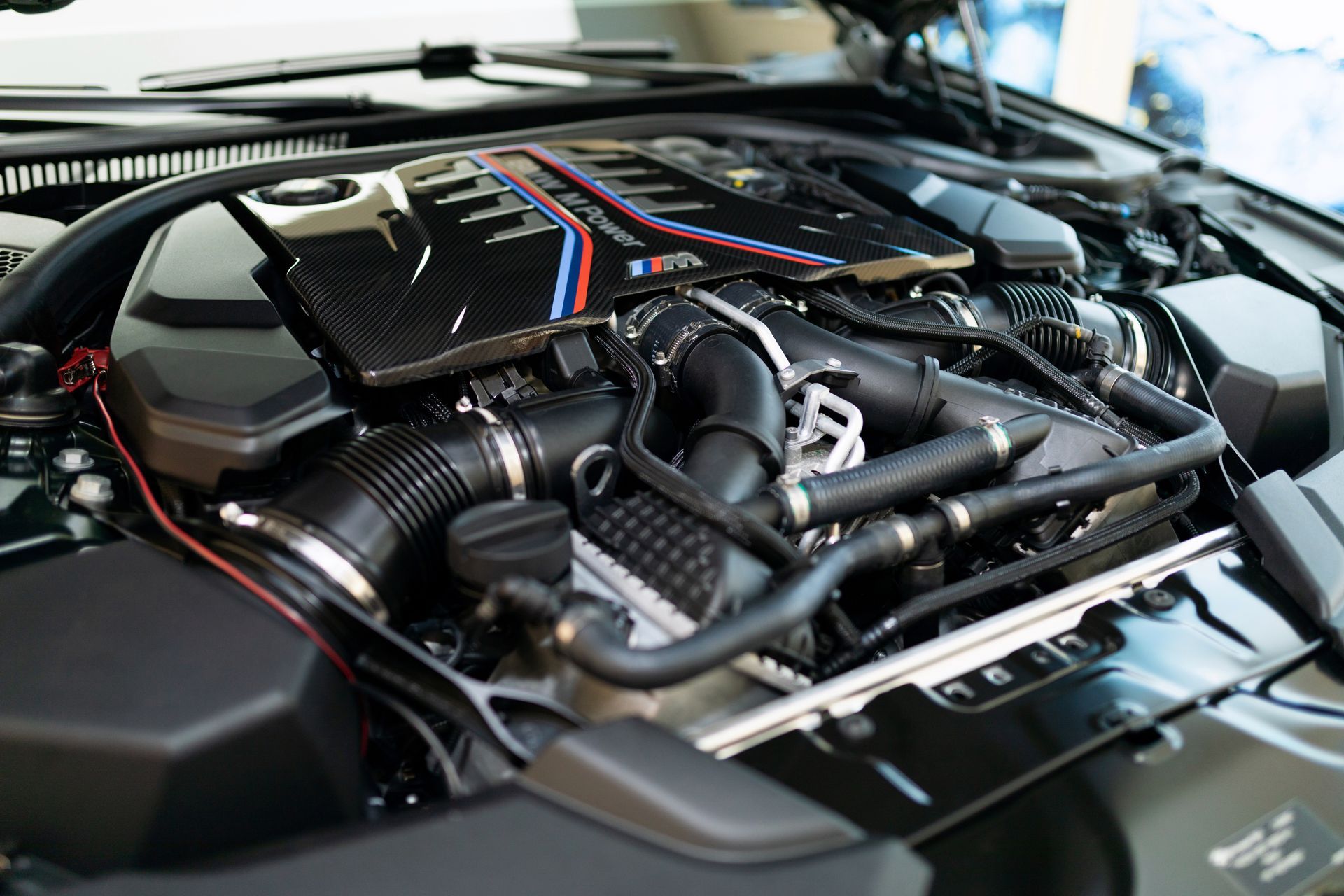
Engine repair is usually worth it when the problem is limited, and the rest of the engine is still in solid shape. A leaking gasket, failing water pump, worn timing components, ignition issue, or oil leak can look serious on paper, though those repairs do not automatically mean the engine itself is worn out beyond saving. If compression is healthy, oil pressure is stable, and the engine has not suffered major internal damage, repair is often the smarter path.
Vehicle condition plays a big role here, too. If the transmission is strong, the suspension is in decent shape, and the car has been kept up with regular maintenance, putting money into a repair can still be a very reasonable decision. In that situation, you are fixing a known issue in a vehicle that still has useful life left.
When The Cost Starts Pushing Toward Replacement
There is a point where repair stops being the best investment. If the engine has severe internal wear, heavy oil consumption, bearing damage, a cracked block, or repeated overheating damage, replacing the engine may give you a better long-term result than continuing to patch one problem after another. The same is true when a repair estimate is high because the damage has spread across several internal systems.
This is where the repair-to-value balance becomes hard to ignore. If the vehicle is worth only a modest amount and the engine needs extensive internal work, replacement is often the cleaner option. That does not always mean replacing the whole vehicle. Sometimes it means replacing the engine assembly rather than rebuilding a worn-out one piece by piece.
Signs The Engine May Be Too Worn For Another Simple Repair
Some engine problems stay focused. Others are really symptoms of a much larger decline.
- Heavy knocking or internal mechanical noise
- Very low compression in multiple cylinders
- Coolant and oil mixing from severe internal failure
- Constant overheating has already damaged major components
- High oil consumption combined with smoke and power loss
- Repeated engine repairs with no lasting improvement
When several of these signs appear together, the conversation usually shifts from repair costs to overall engine health. At that point, a proper inspection is far more useful than guessing based on one symptom alone.
Why Vehicle History Changes The Answer
The same repair estimate can make sense on one vehicle and make no sense on another. A car with a strong service history, low rust, and otherwise solid systems is a much better candidate for major engine work than one with neglected service, suspension wear, electrical issues, and poor overall condition. This is why mileage alone does not decide the outcome.
We have seen higher-mileage vehicles that were absolutely worth repairing because the engine issue was isolated and the rest of the vehicle was in strong shape. We have seen lower-mileage vehicles go the other direction because the engine damage was severe and the overall condition was already slipping. History, upkeep, and present condition all have to be weighed together.
Repair, Rebuild, Or Replace Are Not The Same Decision
Drivers sometimes use these terms interchangeably, though they mean very different things. A repair addresses a specific failure, such as a gasket, timing set, or oil leak. A rebuild means the engine is disassembled and restored internally with a much deeper level of labor and parts replacement. A replacement means removing the damaged engine and installing another complete engine assembly.
Each option has its place. A targeted repair usually makes sense when the rest of the engine is healthy. A rebuild or replacement starts making more sense when the damage is widespread enough that fixing one failed part will not solve the larger problem. The best choice depends on how much of the engine is still worth saving and how the rest of the vehicle looks around it.
What A Smart Decision Should Include
Before deciding anything, it helps to step back and look at the vehicle as a whole. The key questions are usually straightforward. How severe is the engine damage? What is the condition of the rest of the car? How long do you plan to keep it? Will this repair likely solve the issue, or are more major problems close behind?
That is where a thorough evaluation helps. A real engine decision should be based on test results, visible wear, repair history, and the full condition of the vehicle, not just on sticker shock from one estimate. Once you know whether the engine has strong fundamentals left, the right direction becomes much easier to see.
Why Waiting Usually Makes The Decision More Expensive
Drivers sometimes delay the decision because the car still runs. The trouble is that many engine problems get more expensive while you wait. A minor oil consumption issue grows into catalytic converter damage. An overheating problem turns into warped surfaces and gasket failure. Internal noise becomes a full mechanical failure.
That is why it pays to address the question early. If the engine is still a good repair candidate, acting sooner usually protects that option. If replacement is the better answer, finding that out earlier keeps you from spending money on repairs that were never going to solve the bigger issue.
Get Engine Repair and Replacement In Columbia, SC, With Team One Suddeth Automotive
If you are trying to decide whether your engine is worth repairing or whether replacement makes more sense, Team One Suddeth Automotive in Columbia, SC, can perform an inspection and help you weigh the engine's condition against the vehicle's overall condition.
Bring it in before one expensive engine question turns into two.